
A couple of weeks ago, invited by Font Vella, I attended one of the “magical dinners” organized by Montagud Editores in Barcelona, where menus hanging from fishing hooks announced that that night we would be eating dishes such as coffee-cured trout with citrus mayonnaise, smoked eel tartlet, catfish green curry with seafood stock, and sturgeon Rossini (the best, without a doubt), among others.
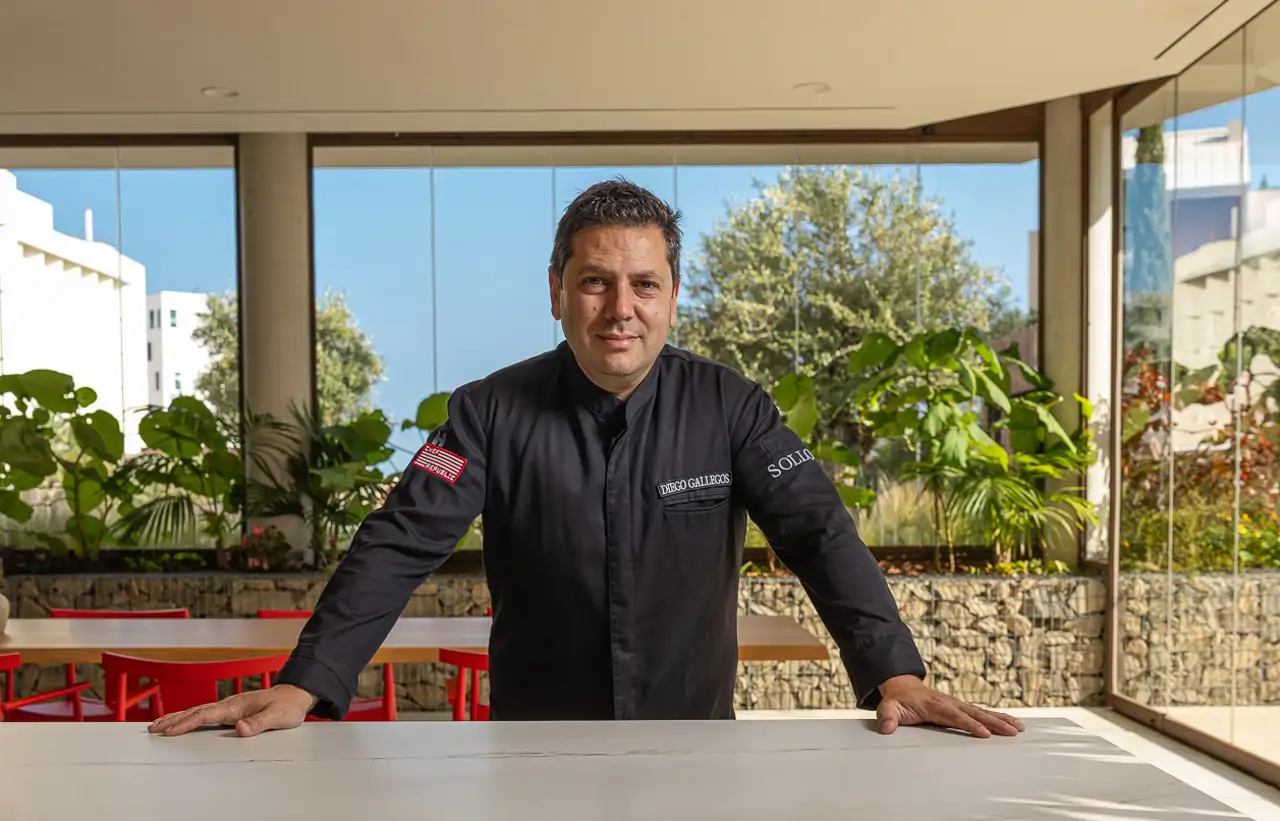
¿Who would think of creating dishes with river fish, species that are barely seen in Spanish cuisine? Well, Diego Gallegos, creator of the restaurant Sollo, in Fuengirola, known as the caviar chef.
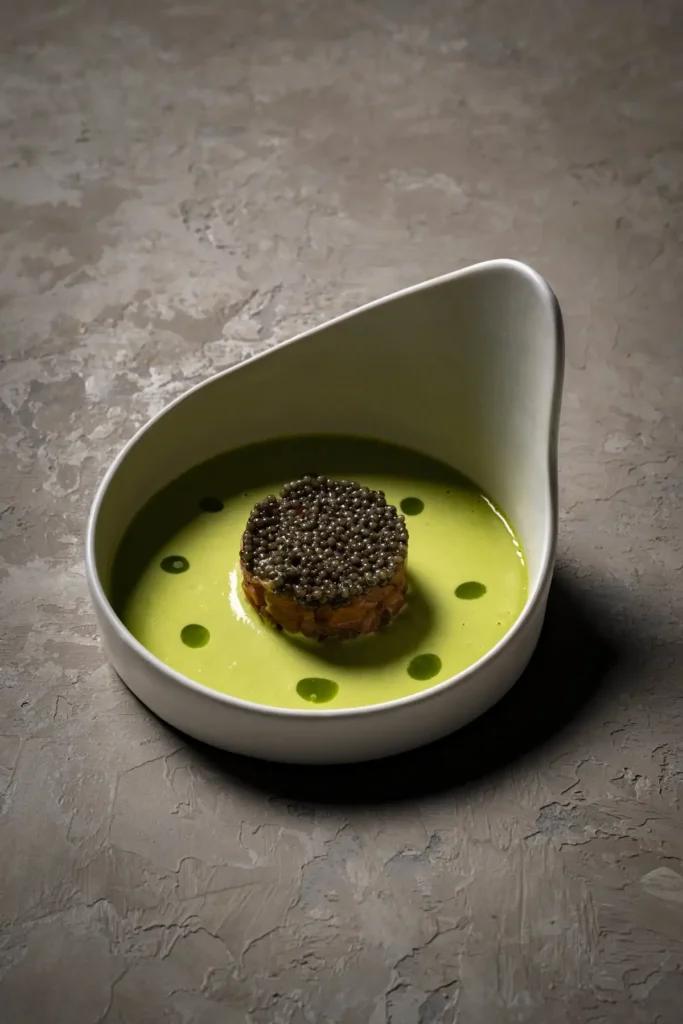
Ceviche de atún y tilapia, leche de tigre y caviar, uno de los platos servidos en la ‘cena mágica’.
Winner of a Michelin star in 2015 and a Green Star for his commitment to sustainability, this chef—born in Brazil to Spanish and Peruvian ancestors—runs a “gastro-aquaponics” facility, a system that combines fish farming with vegetable cultivation in a shared water circuit. In fact, 80% of the species he uses in his dishes come from these facilities.
The restaurant, located in the Higuerón Hotel Málaga, Curio Collection by Hilton, has only a few tables—a deliberate choice by Gallegos so that the culinary experience is built around personalized attention. But he explains it best.
Change of course
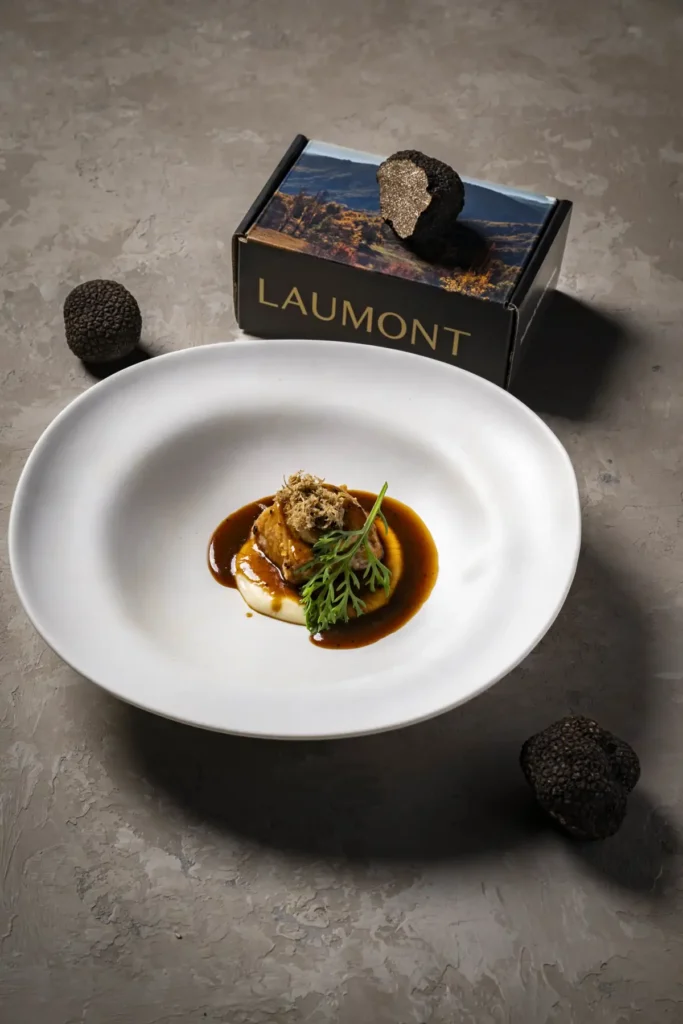
Esturión Rossini, o como crear un excelente plato de un pescado desconocido para muchos españoles.
Q: How did you end up in Andalusia’s culinary scene?
A: I was studying law in Alcalá de Henares and came here for the summer, honestly, just to party. To pay for it, I got a job washing dishes at a chiringuito (beach bar), and there they taught me how to fry fish. I really loved everything about cooking and never went back to Madrid. I stayed in Málaga and started studying at a very well-known culinary school, La Cónsula. I learned to cook in Spain; in Brazil, I didn’t know how to do anything.
Q: How did you come to specialize in freshwater fish and caviar?
A: I used to work at my wife’s aunt and uncle’s restaurant, in a village in Granada, very close to the Riofrío fish farm, which produces caviar. Now we work with their caviar, which is certified organic, in line with the whole Green Star and sustainability ethos. I’ve had an exclusivity contract with them for many years, because what I do can only be done with that product. The water there is always flowing, so the sturgeon doesn’t taste muddy. I can’t work with sturgeon from China, which has an incredible taste of mud.
A commitment to freshwater fish
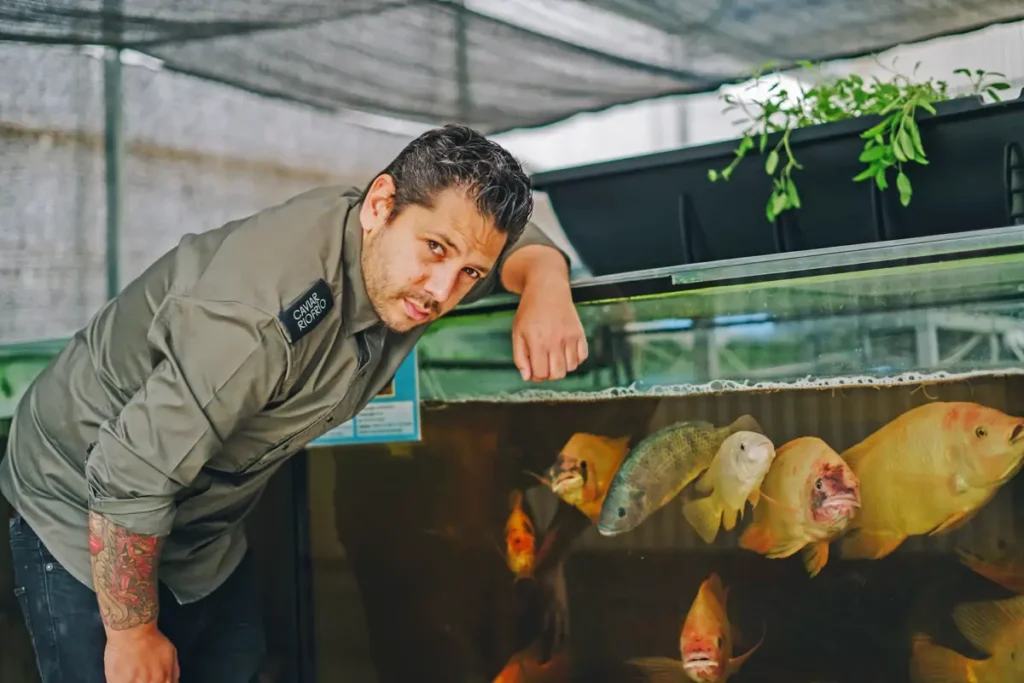
Gallegos en su planta de acuoponía, en Fuengirola.
Q: How did the restaurant evolve from then on?
A: The restaurant opened as a testing ground for everything we were doing for Riofrío. Sollo is named after what sturgeon used to be called here in Andalusia; there are references to it in Don Quixote. After two years, we had created around 300 recipes and couldn’t stretch it any further. Some journalist friends told me: “Why don’t you expand it into the world of river fish?” People eat a lot of it in Brazil. We ran into the problem that you can’t catch wild fish—there’s no variety—so we decided to farm them ourselves.
Q: What are those species that you farm?
A: Right now we have seven or eight, and we try to introduce one every two seasons. The one we use the most is tilapia. We have tench, catfish, piranha, pacu, a type of carp, and then sturgeon and trout, which we bring in from Riofrío. Right now we’re trying to bring in pirarucu, though it’s extremely difficult.
Differences and similarities
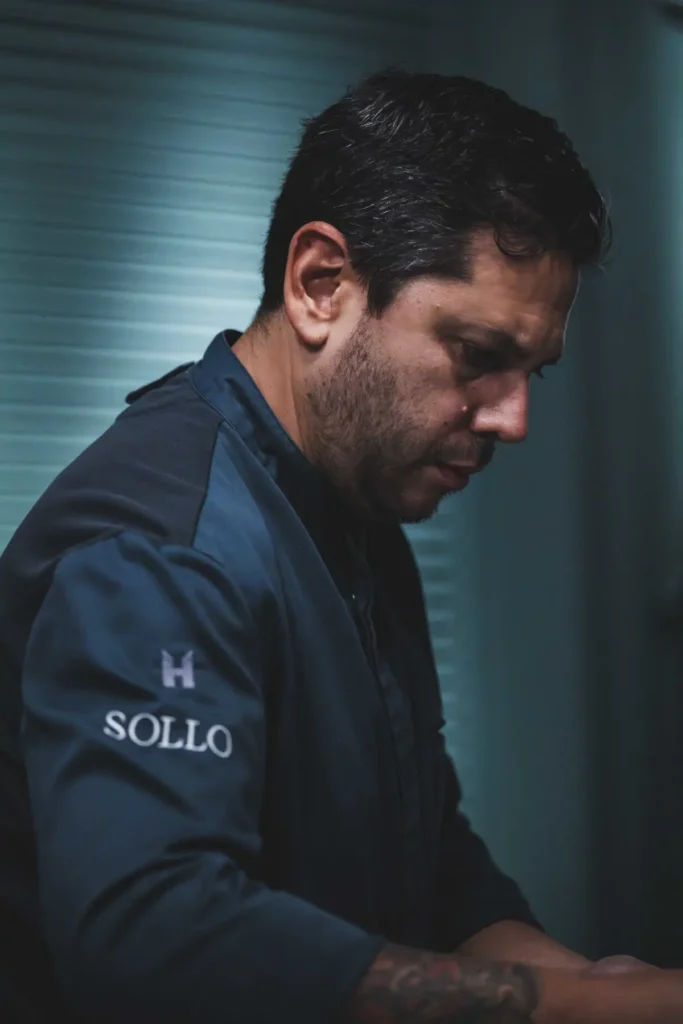
Gallegos obtuvo su primera estrella Michelin a los pocos meses de abrir en 2015.
Q: What differences do you find between the way gastronomy is understood in South America and in Andalusia?
A: Between Brazil and Peru, there are many similarities. When I was little, my grandmother used to cook with soy sauce and oyster sauce, because of the huge wave of Asian immigration in Peru and São Paulo. That really struck me when I started cooking here, because they weren’t used at all.
Q: And in terms of technique?
A: When I went to Brazil to do my internship, they were copying what was being done here using South American ingredients. Now there’s real independence: they are developing a cuisine deeply rooted in their territory and have realized there’s no need to copy.lo que se hace en Europa para hacerlo bien.
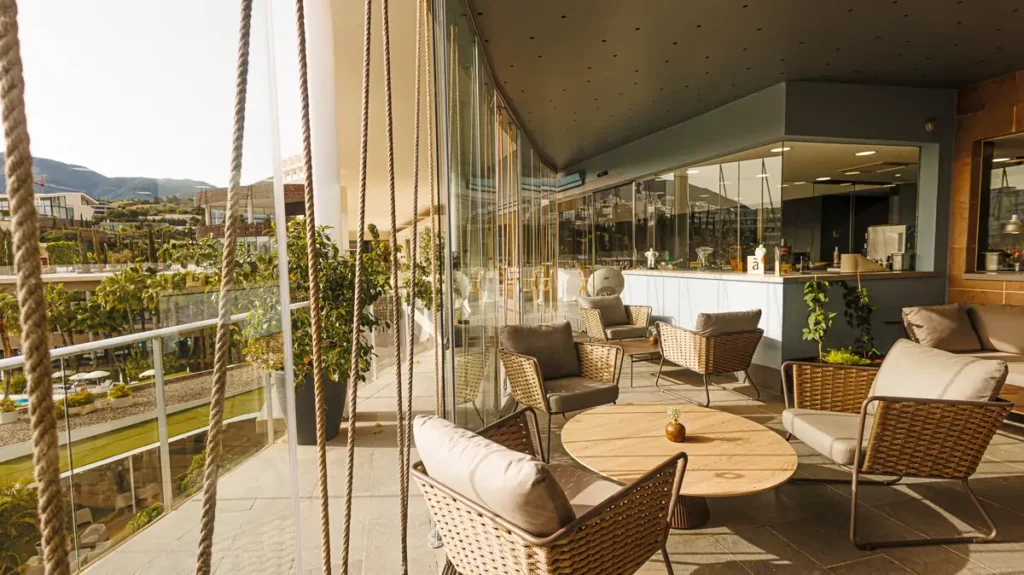
Terraza del Sollo, ubicado en una urbanización de Fuengirola.
Q: What is the concept like at Sollo?
A: Tasting menu only, which we change every ten or eleven months. We only have four tables and we’re open Tuesday through Saturday, dinner only. It’s a very exclusive experience and, ever since we got the Green Star, people come with a different perspective. We charge for the menu well in advance and don’t take reservations over the phone. Nobody just walks in.
Q: Why so few tables?
A: Because I have a limited production of fish, which guarantees my supply for the entire season. That’s why I have the bistro next door: everyone who can’t get a table eats there. That way I can offer something super exclusive, stress-free, and enjoy a very unique and deeply personal project.
Q: What does the bistro offer?
A: Older dishes from Sollo, reworked. We have a tasting menu for 65 euros and we’re packed every day. It’s the little brother: more geared toward sharing.
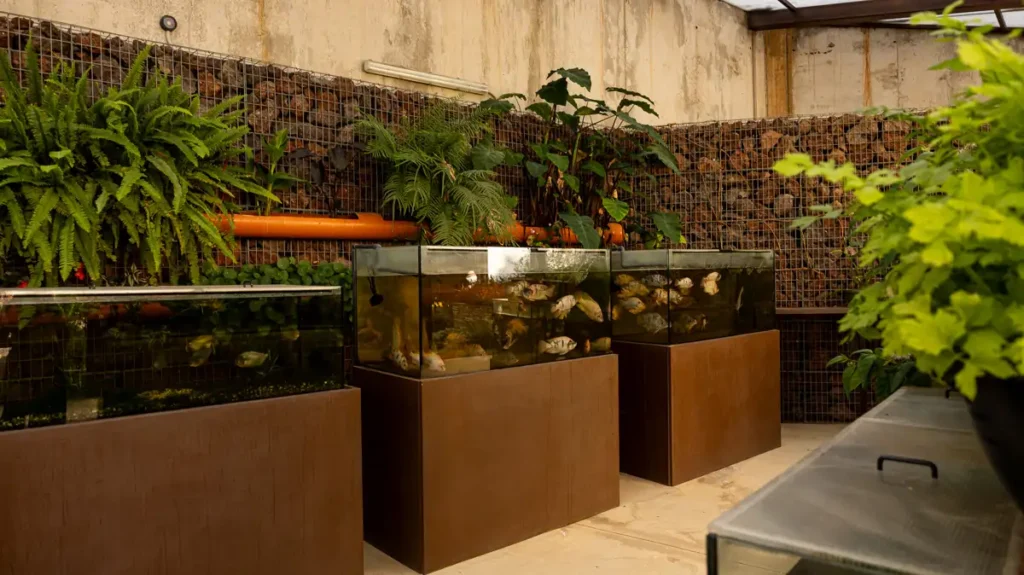
En las instalaciones de gastroacuaponía ‘cultivan’ especies de agua dulce.
Q: What is your clientele like?
A: 90% is an international crowd, mainly from Northern Europe: British and German guests. The menu is 180 euros, and with water and drinks, it comes out to around 270 or 300 per person. It’s not a competition; it’s a different kind of experience, and the audience is very segmented.
The glow of the star
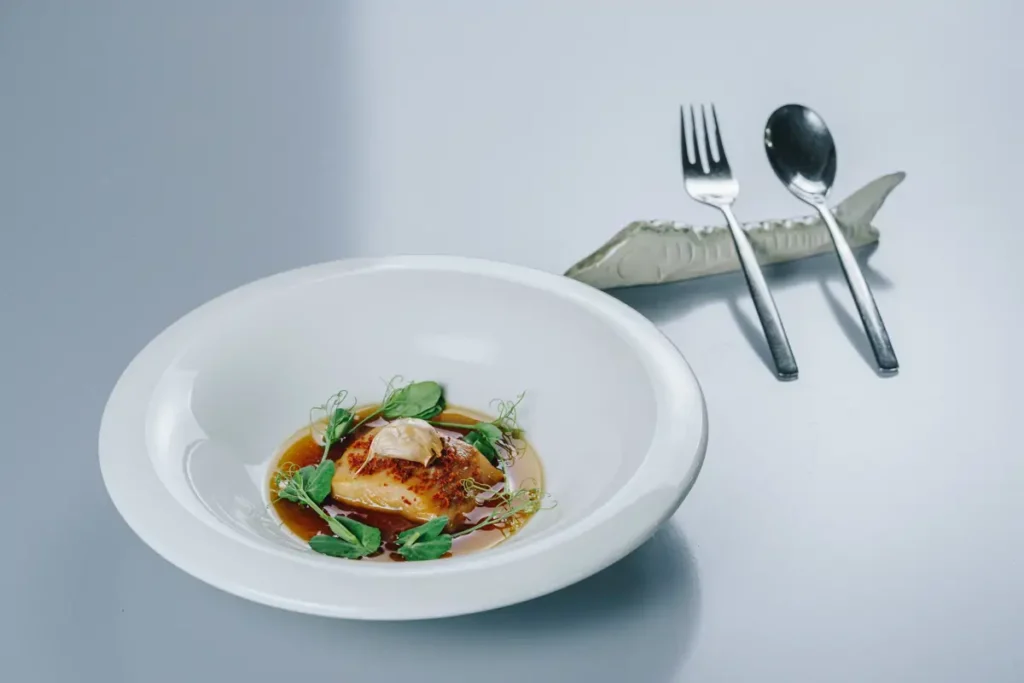
Los pescados, algunos éxoticos en España, protagonizan la propuesta de Sollo.
Q: You won a Michelin star shortly after opening…
A: It was in 2015, for 2016, six months after opening. I actually opened with the goal of getting a star; the idea was to hold out for two years to earn it, but they gave it to me right away because it was a very different concept, and it paid off hugely for me. Without the star, I don’t think I would fill the restaurant.
Q: Is it common to open a restaurant with the star in mind?
A: Yes, now it is, though it wasn’t before. I was very clear about it because I keep a close eye on the numbers.
Not so different
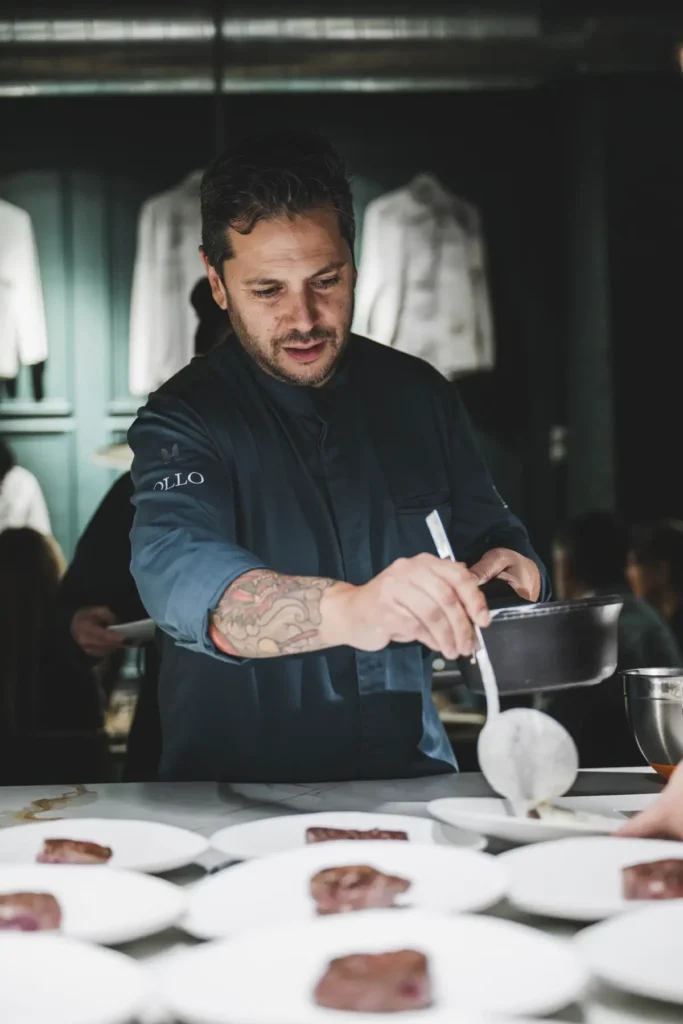
Gallegos pensaba ser abogado. Pero la vida decidió que fuera chef de alta cocina.
Q: What do you think of haute cuisine today?
A: With the whole Michelin thing, everything has become very standardized. A lot of starred restaurants look far too similar. I have photos of menus where I can’t even tell if they’re from one restaurant or another.
Q: Why is that?
A: Because there was a boom in fine-dining restaurants five years ago. Everyone was launching projects to get a star, there were a lot of investors, and many chefs come from the same mentors. We’re neither better nor worse, but we do something different.
Q: Why—what is your business model?
A: It’s a family model: it’s me, my wife, my head chef, and one waitress. They sold us the idea that to be successful you had to have five restaurants—one in Dubai, another in London. I used to have 30 people working for me. That’s a lie. To me, success is being able to work and be with my girls. I’ve fallen back in love with my profession.